



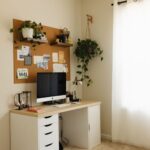





Creating a home office that balances coziness with productivity is essential for anyone working remotely or managing tasks from home. A well-designed space can boost your focus, improve comfort, and make your workday more enjoyable. Here are practical tips to help you build a cozy and productive home office space.
1. Choose the Right Location
Selecting the best spot for your home office is the first step in creating a functional workspace.
– Quiet and Private: Look for a space with minimal distractions where you can concentrate.
– Natural Light: Aim for a location near a window to take advantage of natural light, which enhances mood and reduces eye strain.
– Adequate Space: Ensure there is enough room for your desk, chair, and any necessary equipment.
2. Invest in Comfortable Furniture
Comfort supports long hours of focused work, so prioritize ergonomic furniture.
– Ergonomic Chair: Choose a chair with adjustable height, lumbar support, and comfortable padding.
– Functional Desk: Pick a desk that fits your space and holds your essentials comfortably. Consider standing desks or sit-stand converters for flexibility.
– Organizers: Use shelves, drawers, or filing cabinets to keep your workspace tidy and clutter-free.
3. Optimize Lighting
Proper lighting plays a significant role in reducing eye strain and enhancing productivity.
– Natural Light: Maximize daylight by positioning your desk near windows.
– Task Lighting: Use adjustable desk lamps to provide focused light on your work area.
– Ambient Lighting: Soft overhead lighting or floor lamps help maintain overall brightness without harshness.
4. Personalize Your Space
Adding personal touches can make your office feel welcoming and inspire creativity.
– Decor: Choose artwork, plants, or photos that make you happy and motivated.
– Colors: Soft, calming colors like blues and greens can create a relaxed environment, while pops of bright colors can energize you.
– Comfort Items: Include cozy blankets or cushions to enhance comfort on colder days.
5. Manage Noise Effectively
Noise distractions can hinder productivity, so consider ways to minimize them.
– Noise-Canceling Headphones: These are helpful if you can’t control the ambient noise.
– Soundproofing: Add rugs, curtains, or acoustic panels to reduce sound echoes.
– White Noise: Use white noise machines or apps to mask disruptive sounds.
6. Keep Technology and Cables in Check
An organized and efficient tech setup supports workflow and reduces frustration.
– Reliable Equipment: Invest in quality computers, monitors, keyboards, and mice.
– Cable Management: Use clips, ties, or cable boxes to keep cords neat and out of the way.
– Peripheral Layout: Arrange devices within easy reach to minimize awkward movements.
7. Maintain a Clean and Organized Workspace
A tidy office helps your mind feel clear and ready to work.
– Daily Clean-Up: Set aside a few minutes each day to clear your desk and put items away.
– Declutter Regularly: Remove unnecessary items to keep your space streamlined.
– Storage Solutions: Utilize bins, trays, or bulletin boards to organize supplies.
8. Incorporate Movement Breaks
Sitting for long periods can affect health and productivity.
– Stretching: Take breaks to stretch your muscles and improve circulation.
– Movement Reminders: Set a timer or use an app to remind you to stand or walk briefly.
– Desk Exercises: Try simple exercises like shoulder rolls or leg lifts at your desk.
9. Set Clear Boundaries
Separating work and personal life is vital when working from home.
– Dedicated Space: Keep your office space distinct from living areas.
– Work Hours: Define and maintain a consistent schedule.
– Communication: Let family or housemates know your work times to reduce interruptions.
10. Add Greenery for a Fresh Atmosphere
Plants not only beautify your office but can also improve air quality and reduce stress.
– Easy-to-Care Plants: Consider options like succulents, pothos, or snake plants.
– Positioning: Place plants where they receive enough light but don’t clutter your workspace.
– Maintenance: Water and care for your plants regularly to keep them vibrant.
—
Final Thoughts
Designing a cozy and productive home office is about creating a space where you feel comfortable, focused, and inspired. By considering your furniture, lighting, organization, and environment, you can build a workspace that supports your work and well-being. Take your time to personalize it and adjust as your needs evolve, ensuring your home office remains a place you look forward to spending time in.